



Source: Isabela Nieto
In conversation with Mandela Barnes
Barnes is a former Lt. Gov. and state Assembly member.

Jan 15, 2026, 3:19 PM CST


Share
Former Lt. Gov. Mandela Barnes entered the race for Governor early last month. He served as Lt. Gov. under Gov. Tony Evers from 2019-2023 and previously held a seat in the state Assembly from 2013-2017.
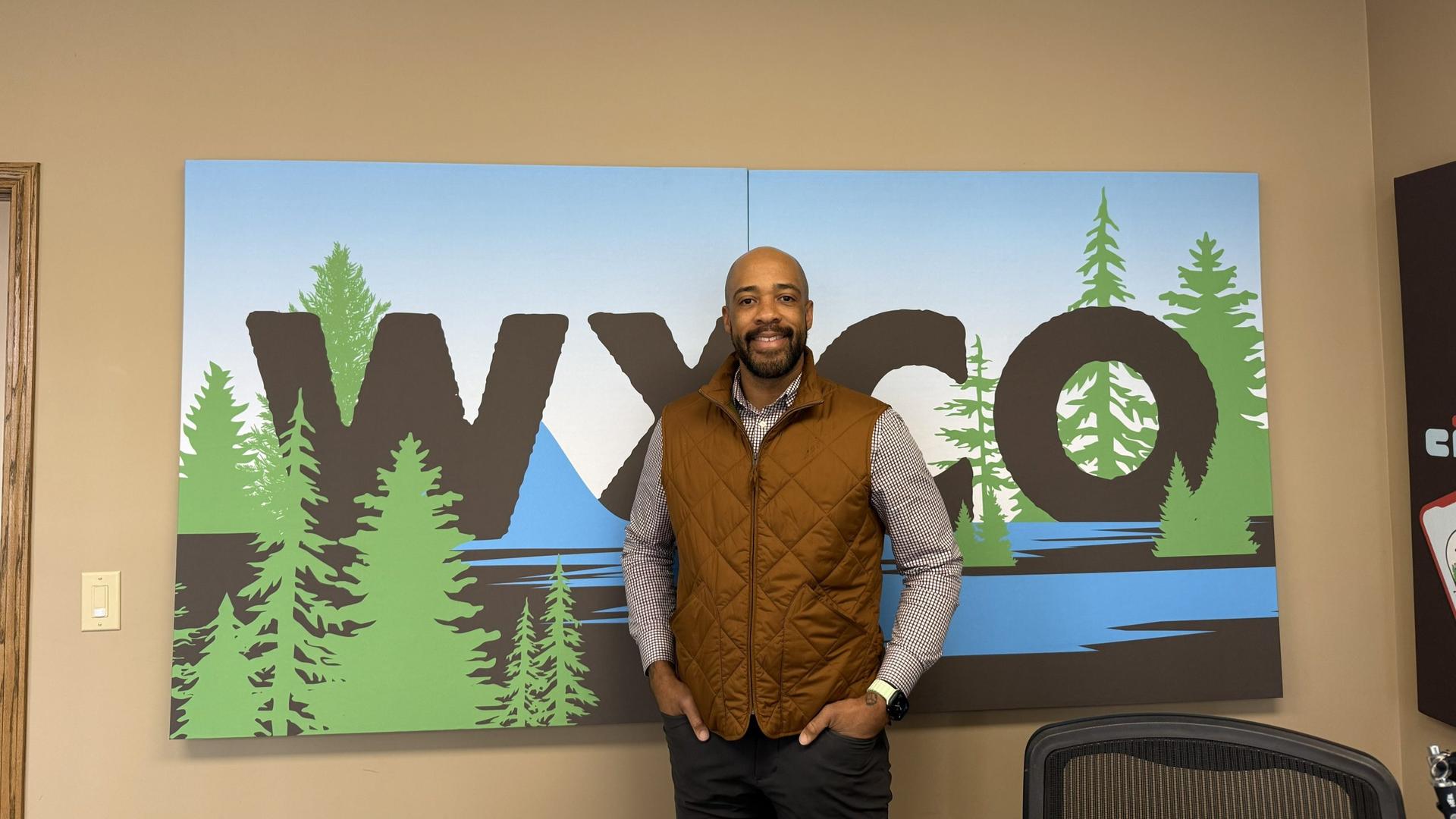
Barnes stopped by the Wausau studios for an interview with reporter Isabela Nieto and Station Manager Chad Holmes on January 15. Here’s what he had to say.
This conversation has been edited for clarity and brevity.
How would you, as governor, respond to threats from the federal government such as military action or withholding federal funding?
This is a very unique and troubling moment that we haven’t really experienced before. These threats can’t be taken lightly, but they also can’t be allowed to dictate how Wisconsin governs itself. Fear is the primary way Donald Trump governs, and trying to apply that fear domestically is absurd and dangerous.
Too often, leaders respond by complying just to avoid conflict. I refuse to put Wisconsin in that position. Donald Trump has already caused serious harm to our state—from tariffs that hurt small businesses and family farmers to legislation that costs taxpayers enormous amounts of money.
These tactics are meant to force compliance with an agenda that doesn’t serve Wisconsinites. It serves wealthy donors and his own political interests. As governor, I will stand up to unconstitutional and unlawful actions every step of the way to defend the people of Wisconsin.
We all want safe communities, but the threat of violence right now is coming from the federal government’s actions themselves. People feel less safe, not more. That’s unacceptable, and it’s why people across the state, including those who’ve never been politically active, are standing up and demanding better.
What should elected leaders be doing right now to hold Donald Trump accountable, rather than waiting for the next election?
People are almost always ahead of politicians. That’s why organizing matters; it pushes leaders to act. I come from an organizing background, and I still see myself as an organizer more than a politician. Every time I’ve run for office, it’s been about moving the needle and improving people’s lives.
Waiting ten or eleven months is not an option. We are only weeks into the year, and things have already deteriorated rapidly. People are being priced out of health care, priced out of housing, and pushed into crisis. Ten months is a lifetime for someone on the brink.
Leaders need to use the power they have now by organizing, providing mutual aid, and challenging harmful systems, not sit back and let damage continue. Ignoring harm because it’s politically inconvenient is exactly how we got here.
This isn’t about partisanship. If a Democrat were doing this, I’d oppose it just as strongly. Accountability matters, regardless of party.
How do you respond to concerns about solar and wind projects replacing farmland in Marathon County?
I’ve spent a lot of time working on clean energy issues, especially as electricity costs keep rising. If people in a community oppose a project, that opposition deserves to be respected. The will of the people should matter.
At the same time, it’s important that communities have accurate information. There’s a lot of misinformation about what solar and wind projects actually mean for land use. In many cases, land can still be used for farming or other purposes.
Wisconsin relies heavily on coal, even though we don’t mine coal here. We have real opportunities to generate our own energy through solar and wind, which can lower costs and create local benefits. Some landowners want additional revenue streams, especially as tariffs and economic pressures hurt farmers. If someone chooses to generate energy on their land, that option should be available to them.
This conversation has to be comprehensive. We already allow development that harms wetlands and increases flooding. We’ve incentivized farming practices that hurt soil health. Energy projects shouldn’t be discussed in isolation from those realities.
With paper mills closing in central Wisconsin, how would you help replace lost rural jobs?
Industry changes over time. I’ve seen it personally. Factories my grandfather and father worked in no longer exist. In many cases, jobs didn’t disappear; they were moved overseas or replaced through automation.
What we can do is invest in small businesses and Main Street communities. Rural areas already attract people for recreation, tourism, and natural resources. Wisconsin can do even more in those sectors.
At the same time, emerging industries present opportunities. Clean energy manufacturing is a major one. Solar panels, wind turbine components should be built and assembled in Wisconsin. A single wind turbine has thousands of parts, and those are jobs we can create here.
When one industry declines, we should be prepared to transition workers into new ones with intention and support.
What would you do to address the crisis in rural health care and hospital closures?
It’s unacceptable that people in rural Wisconsin have to travel hours for basic or emergency care. One of my top priorities starting on day one is expanding BadgerCare.
Hospitals and clinics aren’t closing because people don’t need care. They’re closing because too many people are uninsured or afraid of medical debt. Expanding BadgerCare would stabilize rural health systems and give people access to preventive care before emergencies happen.
I will not sign a state budget that does not expand BadgerCare. I also support creating a public option so people who earn slightly too much to qualify still have affordable coverage.
Health care access keeps communities alive. If people can’t afford care, hospitals close and rural Wisconsin suffers.
Are there other priorities you want people to know about?
We need to close tax loopholes that allow the wealthiest individuals and corporations to avoid paying their fair share. Working- and middle-class families need relief, not billionaires.
We also need to fully fund public education and finally meet the state’s two-thirds funding commitment. I’m a product of public schools, and no child’s education should depend on their ZIP code.
We must also address the paycheck-to-paycheck economy. Wisconsin’s minimum wage is still $7.25, which is shameful. People working full-time should be able to live with dignity.
After a tough Senate race and years in public service, why run for governor now?
Everything I stand for comes from lived experience. I’ve seen these challenges up close, and this moment is urgent. Wisconsin has led before, and we can lead again, but only if we act boldly.
I’ve traveled this state extensively, worked on state budgets line by line, and helped undo real damage from past administrations. But there’s still much more to do.
We can’t govern with half-measures or pretend things are fine when they’re not. Wisconsin’s history, our farmers, our manufacturing legacy, our progressive leadership, shows what’s possible.
I believe the next era of opportunity, manufacturing, and innovation can start here. And I’m committed to making sure Wisconsin is at the forefront of it.

Isabela Nieto is a reporter for Civic Media based in Wausau, where she reports for WXCO/Bull Falls Radio. She moved to central Wisconsin after stints reporting local and state news in Illinois. Reach her at [email protected].
Want More Local News?

Civic Media
Civic Media Inc.
The Civic Media App
Put us in your pocket.