

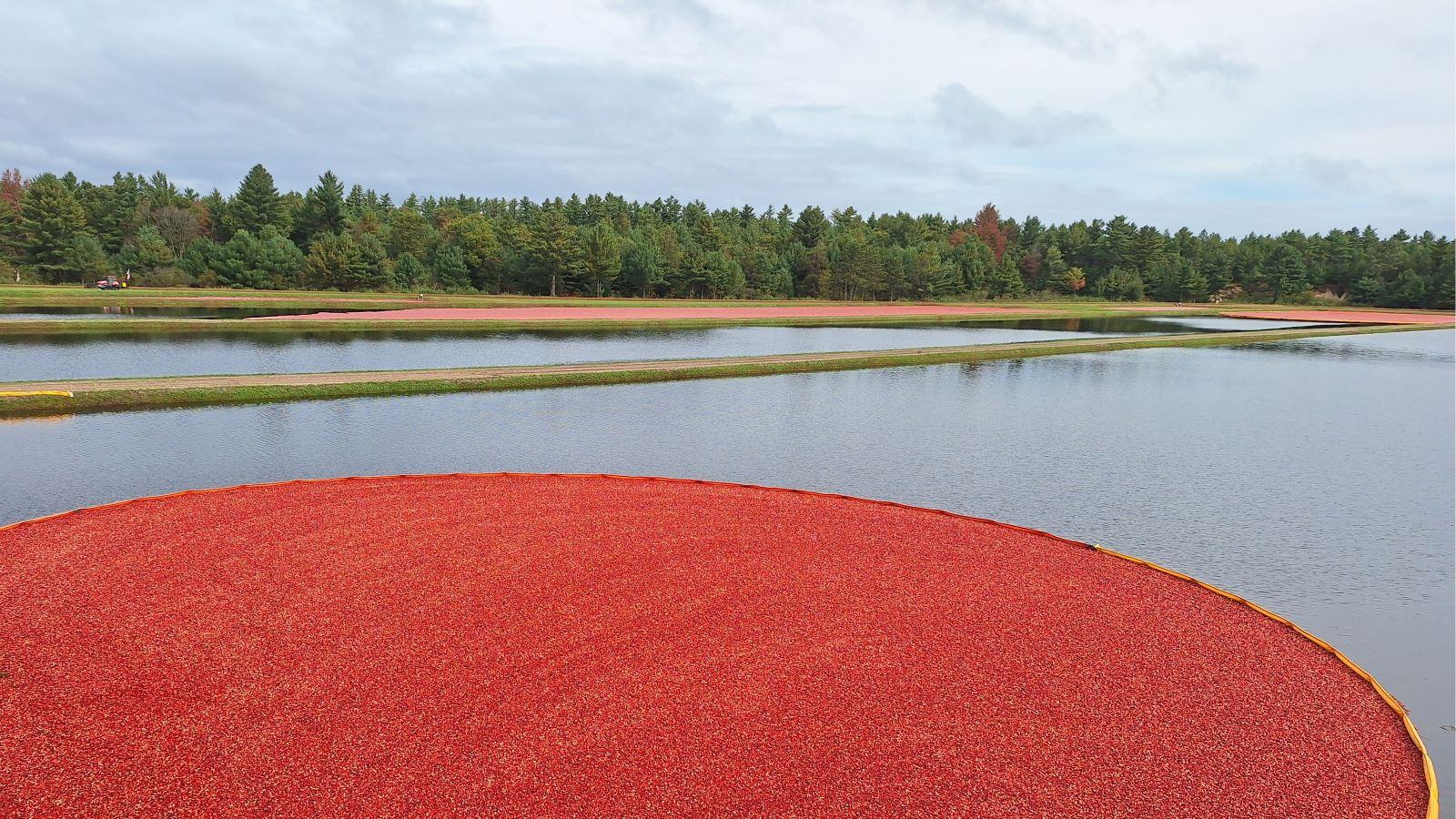
Source: Melissa Kaye
Cranberry research needs to change in a changing environment
A changing environment is causing a shift in cranberry research. The Wisconsin Cranberry Research Station is at the forefront.

Oct 15, 2025, 2:14 PM CST


Share
BLACK RIVER FALLS, Wis. (WFHR / WIRI) – As the climate shifts, so does the science behind growing cranberries.
Researchers at the Wisconsin Cranberry Research Station are working to ensure the future of Wisconsin’s signature fruit by studying how cranberries can tolerate extreme temperatures, and how growers can extend the harvest season to reduce labor and equipment demands.
Grant Holley is the Executive Director of the nonprofit Wisconsin State Cranberry Growers Association. He comes to Wisconsin with decades of experience in AG education. He first was a high school science teacher, then became a professor at North Carolina State University in the college of education, science education, and AG education. Holley said, during his 14 years at NCU, he had the heart wrenching job of working with the state as it transitioned away from agriculture.
The change of seasons is what brought Holley to the badger state after the COVID-19 pandemic shuttered an international AG job. Knowing agriculture is where he thrives, Holley looked for a position with a cohesive group providing strength, community and cooperation.
“I found that in spades in Wisconsin,” says Holley. “Even in the first interview (with WSCGA) I was so taken with their sense of community, their own leadership, and I told them flat out that I’m your next executive director, you just don’t know it yet.”
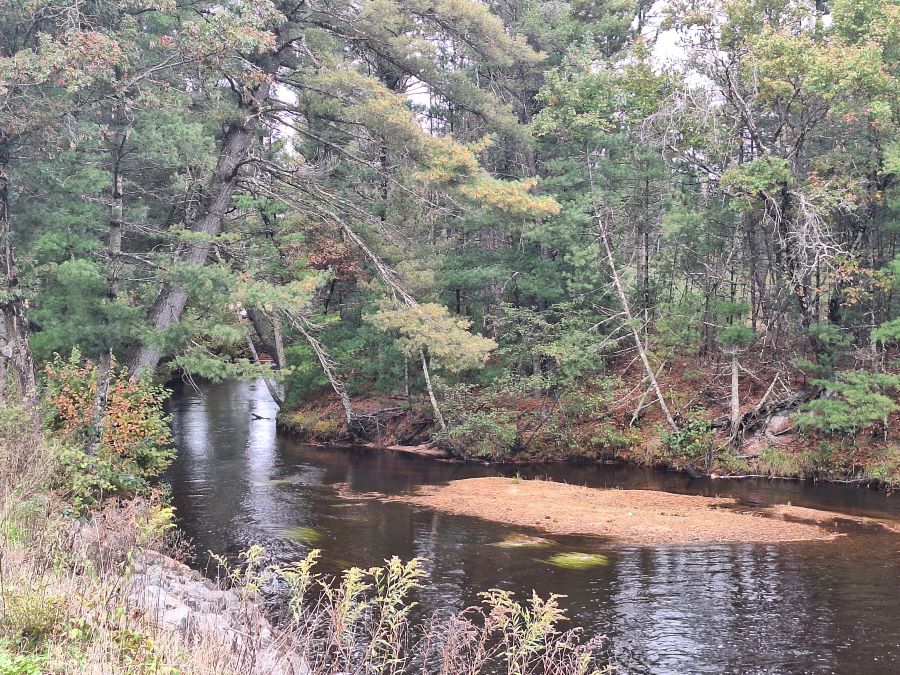
Wisconsin growers are accustomed to slow change
Holley’s background in science and AG gives him an informed perspective when looking into the changes happening in the cranberry environment since he accepted the position in late 2023. He says cranberry growers know how to operate when change happens slowly, and have centuries of wisdom when it comes to managing their crop.
But, “When you’re looking at fast changes, you need to know the whys, and that’s where our researchers come into play,” Holley adds, describing how researchers are analyzing changes happening at a molecular level.
“They’re seeing how that bacteria in the soil is helping with nitrogen uptake,” Holley explains. “They’re making sure the fungus in the ground is helping us with water uptake.”
Holley illustrates that it’s not just how the cranberries are being affected, but also the symbiotic relationship the plants have with other organisms in the ground. Understanding changes to these cooperative partnerships will help farmers continue to produce bountiful harvests and minimize damage to crops.
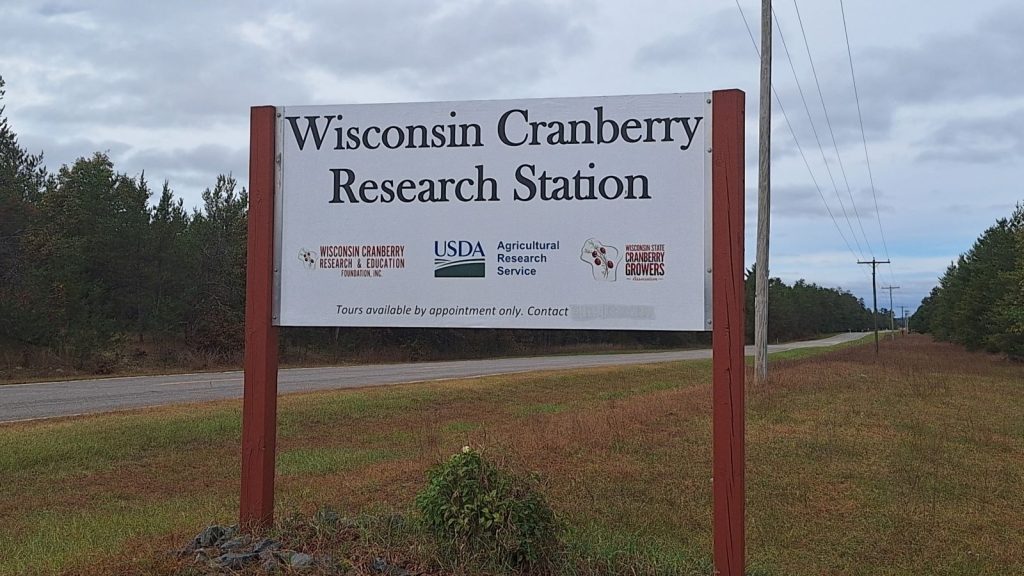
Wisconsin Cranberry Research Station
This research station houses the Cranberry Innovation Center, a relatively small marsh compared to other growers. The property has around a dozen beds – some full-sized, others lined for research, and some divided into separate plots for genetic testing.
The marsh is made available to researchers from across the state. Their efforts are coordinated by Gabby Myers, Research and Education Manager for the Wisconsin Cranberry Research and Education Foundation.
Myers says just this year, researchers have come from a variety of educational, federal, and private industries, citing UW-Madison, UW-Eau Claire, the USDA Agricultural Research Service, and private agricultural research companies.
Myers described how one geneticist from the U.S. Department of Agriculture Agriculture Research Service (USDA ARS) is using space at the marsh to breed native cranberries with hybrids and collect data on them.
“They’re trying to create better cranberries, so maybe they’re sweeter, firmer, they taste a little better, they have a better color,” says Myers. “All different traits they’re trying to breed for, we provide a space for them to have those plots established.”
Hybrids allow growers to do more with less
Holley said cranberry farmers are starting to work more with hybrids. Many growers still have heirloom cranberries with vines that can be close to 90 years old. These vines are still producing fruit, but not at the volume that growers may want.
“We do like higher volume,” says Holley. “If you can do more with less, that only helps everybody.”
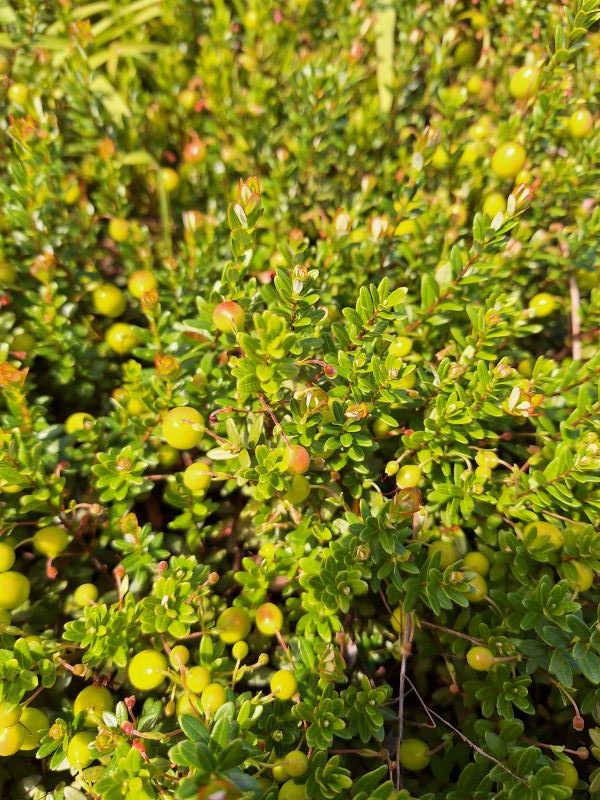
Most cranberry growers are diversifying their marshes. This can be less risky and can help prepare for years with unpredictable weather and temperatures. Having different hybrids also helps farmers spread out the harvest season.
“They’re trying to make it to where harvest doesn’t all happen in the same two weeks,” says Holley. “That’s where you need extra equipment, you need extra people, it’s just a terrible time if you have to do that.”
Early hybrid cranberries can be harvested as early as September, while later hybrids can be gathered almost to hunting season. This allows growers to harvest piece by piece throughout the season.
“A singular family can actually start handling a medium to small sized farm,” Holley adds.

Melissa Kaye is the News Director for WFHR and WIRI in Wisconsin Rapids. Email her at [email protected].
Want More Local News?

Civic Media
Civic Media Inc.
The Civic Media App
Put us in your pocket.